Cute Watercolor Animal Clipart: Versatile Design Assets
You know that feeling when a project needs something soft, approachable, and memorable but you keep reaching for the same vector shapes or stock photos? Cute Watercolor Animal Clipart fills that gap beautifully. These hand-painted digital illustrations bring a loose, artistic charm that polished vectors often lack. Whether you are designing a children’s book cover or building a brand identity for a boutique baby shop, these graphics add warmth without sacrificing professionalism. Let’s talk about why watercolor animals are more than just pretty pictures and how you can use them strategically in your next project.
The Unique Charm of Watercolor Animals in Design
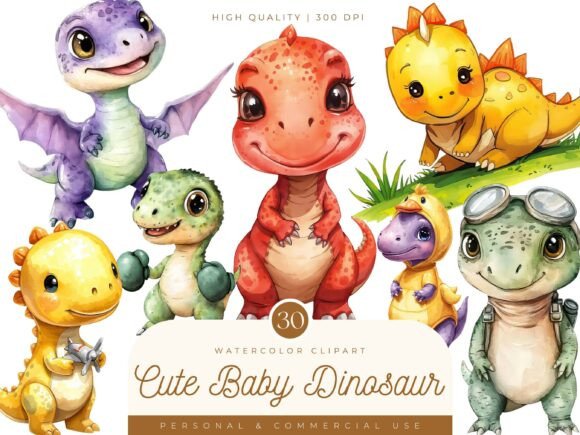
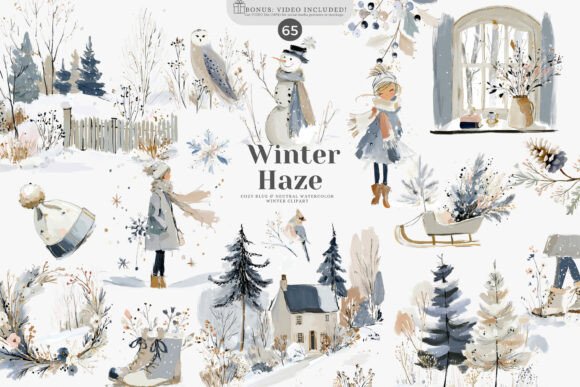
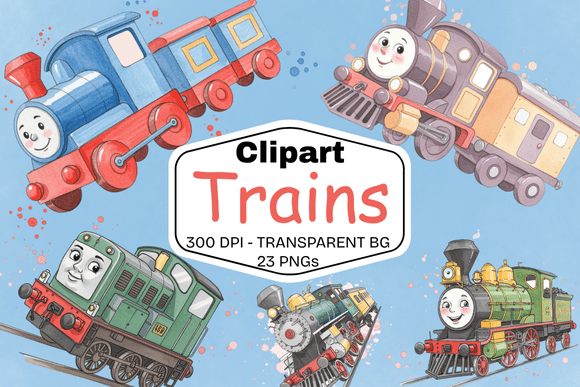
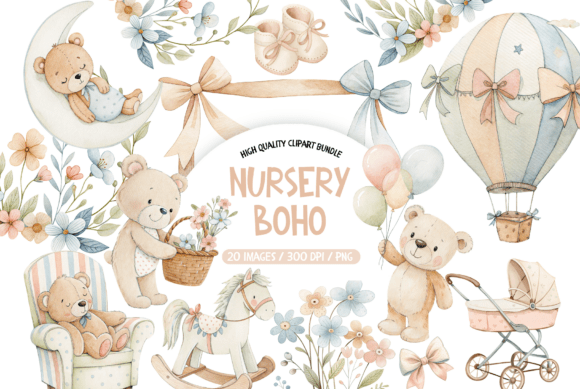
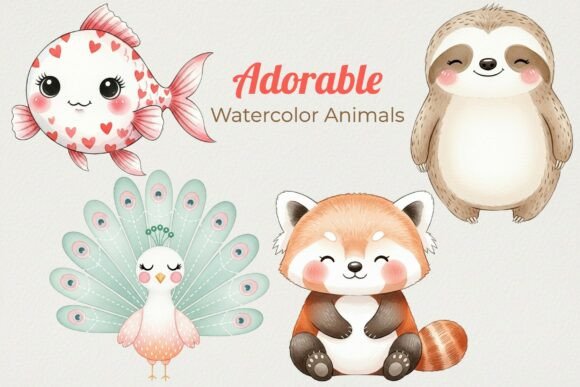
Watercolor clipart stands apart because of its organic unpredictability. Unlike solid-color vector icons, watercolor illustrations have soft edges, subtle gradients, and slight texture variations. A cute watercolor animal graphic typically features gentle color transitions, soft brush strokes, and a slightly imperfect outline that mimics real paper painting. This handmade quality feels authentic and inviting. It whispers craftsmanship rather than corporate design. The “cute” aspect comes from simplified features large expressive eyes, rounded shapes, and happy expressions. Think whimsical foxes with fluffy tails, sleepy owls on branches, or playful bears holding honey jars. These visuals carry an emotional softness that resonates with audiences regardless of age.
Where This Clipart Style Performs Best
The real strength of Cute Watercolor Animal Clipart is its versatility across both digital and print formats. Here are a few common applications where this style truly elevates the work.
- Brand identity for kid‑focused businesses. Daycares, pediatric clinics, and educational apps benefit from a visual language that feels nurturing and safe. Watercolor animals make logos and stationery feel less sterile and more human.
- Packaging design for natural products. Organic snacks, baby skincare, and ethical toys often need packaging that looks gentle and trustworthy. Watercolor illustrations communicate natural ingredients and handmade care better than a minimalist flat icon ever could.
- Social media graphics and content creation. Instagram posts, Pinterest pins, and YouTube thumbnails featuring watercolor animals catch attention because they stand out against the sea of template‑driven content. They help build a recognizable visual personality for your channel or store.
- Editorial design and children’s publishing. Book layouts, educational worksheets, and magazine spreads become more engaging when illustrated characters break up text and support the narrative. Watercolor animals add a layered, artistic quality that feels timeless.
- Print projects like greeting cards, nursery prints, and stickers. Physical products benefit from the same texture that makes digital designs shine. A card with a hand‑painted bear feels like a small gift rather than a mass‑produced item.
When you choose Cute Watercolor Animal Clipart for these projects, you are selecting a style that immediately communicates warmth, creativity, and a personal touch.
How Watercolor Graphics Shape Brand Perception and Engagement
Design choices influence how people feel about a brand before they read a single word. The watercolor style, with its subtle imperfections and natural palette, builds an emotional bridge that sharp vector graphics rarely achieve. Audiences perceive brands using watercolor animals as more approachable, caring, and imaginative. This perception is especially valuable for businesses in the early stages of brand recognition. A cute watercolor fox on a landing page can hold a visitor’s attention longer than a corporate logo, simply because it triggers an emotional response.
These visuals also affect visual hierarchy. Because watercolor graphics have softer edges and lighter tones, they often sit beautifully behind text or within layouts without overwhelming other elements. You can use a large watercolor animal as a background wash or scale it down as a small accent. The texture creates a natural focal point, guiding the viewer’s eye without needing bold borders or heavy contrast. In editorial design, a watercolor bear illustration placed beside a pull quote anchors the section and makes the page feel cohesive. The key is balance. Let the clipart breathe, and pair it with clean typography such as a simple serif font or a neutral sans serif font to maintain readability. The contrast between organic art and structured type is visually satisfying and helps both elements shine.
Consistency matters too. Using the same or complementary watercolor animal characters across your website, packaging, and social media strengthens brand recall. People remember the cute panda from your email newsletter and recognize it when they visit your online store. Over time, that repeated exposure builds familiarity and trust, which directly supports audience engagement and loyalty.
Practical Tips for Working with Watercolor Animal Graphics
Like any design asset, Cute Watercolor Animal Clipart delivers best when matched carefully to the project. Here are a few considerations to get the most out of your purchase or download.
- Evaluate the illustration style against your brand voice. Not all watercolor sets are the same. Some lean toward bright, playful colors while others use muted earth tones. Choose a set that aligns with your existing color palette and the emotional tone you want to convey. A delicate, pastel style works for a baby boutique but may not suit a camping gear brand.
- Check the file format and resolution. Look for PNG files with transparent backgrounds so you can layer them easily. For print projects, you need at least 300 DPI. Many premium clipart sets offer both raster and vector versions. If scalability matters, opt for a set that includes vector source files.
- Test readability when using clipart behind text. Because watercolor has softer edges and variable opacity, it can sometimes make overlaid text hard to read. Use dark type on light washes, white type on darker areas, or add a subtle drop shadow to your sans serif font or serif font choice.
- Review the included style range. A good set contains multiple animals in consistent poses and compositions. This allows you to build a cohesive brand identity without mixing different artist styles. If the set includes matching elements like borders, leaves, or clouds, your design workflow becomes even smoother.
- Understand the commercial license. If you are using the clipart for products you sell, confirm that the license covers commercial use. Some sets allow limited reproduction, while others offer full commercial rights for items like merchandise, branding, and publishing. Always read the terms carefully to avoid legal surprises.
- Pair with a complementary font style. Cute watercolor art pairs naturally with handwritten fonts or rounded sans serif fonts that share its approachable personality. If you prefer contrast, a clean serif font can ground the whimsical art with a touch of seriousness. Test a few combinations before committing.
Beyond these practical steps, trust your own eye. If a watercolor animal graphic feels forced or out of place in a layout, it probably is. Good design is intentional. Use these illustrations where they add emotional value, not just decorative clutter.
Cute Watercolor Animal Clipart offers a creative font alternative in the sense that it brings a unique visual language to your toolkit. While you might use a display font to attract attention with typography, you can use watercolor animals to attract attention with imagery that feels equally crafted. When applied thoughtfully, these graphics help you build brand identity, improve audience engagement, and produce work that stands out in a crowded market. Try layering a watercolor bunny into your next email header or using a set of watercolor forest animals as a repeating pattern in your packaging. The results will feel personal, professional, and anything but generic.