Watercolor Preppy Floral Clipart: A Designer's Guide
If you have spent any time browsing design assets recently, you have likely noticed a particular aesthetic popping up everywhere—soft watercolor blooms paired with crisp, clean lines and a polished, almost collegiate energy. That is the sweet spot where Watercolor Preppy Floral Clipart lives. It is not just another floral set. It brings together the loose, organic feel of hand-painted watercolor with the structured, optimistic vibe of preppy style. Think tailored blazers meet garden parties. Think botanical illustrations that feel fresh, not fussy.
For designers, small business owners, and content creators, this type of clipart offers a rare blend of warmth and professionalism. It is detailed enough to stand alone yet versatile enough to work across branding, packaging, and digital media without overwhelming your layout. In this guide, we will walk through what makes this style distinctive, where it truly shines, and how to choose the right set for your next project.
What Defines the Watercolor Preppy Floral Look
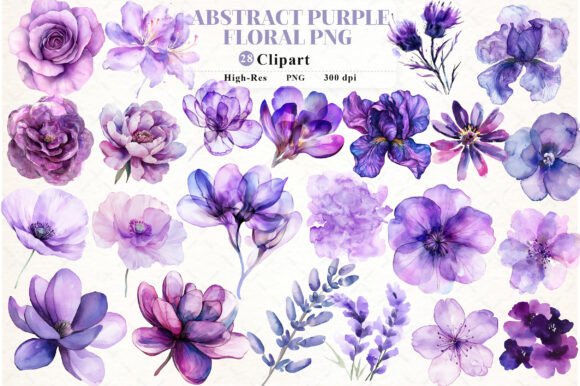
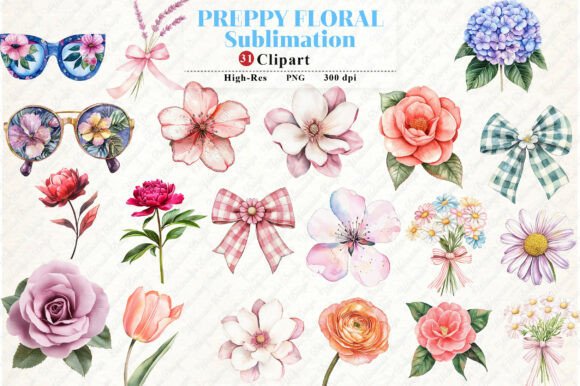
At first glance, you might mistake it for traditional watercolor florals. But look closer, and the personality becomes clear. The palette leans toward bright, happy hues—coral, navy, mint, lemon yellow, and soft pink—rather than muted or vintage tones. The flowers themselves, often roses, peonies, tulips, and daisies, are painted with enough detail to feel realistic but with a looseness that keeps them from looking stiff.
The preppy influence shows up in the composition. You will see symmetrical arrangements, neat borders, and repeating motifs that feel orderly without being boring. Stripes, plaids, and monogram-style frames often accompany the florals, reinforcing that classic, campus-inspired feel. It is a style that says cheerful, refined, and approachable all at once.
From a design perspective, this clipart works because it balances two opposing qualities: handcrafted texture and graphic clarity. The watercolor edges introduce softness and organic variation, while the overall shapes remain clean and recognizable. That makes it a strong choice for both print and screen applications, where you want visual interest without sacrificing legibility or brand consistency.
Where to Use Watercolor Preppy Floral Clipart Across Projects
This is not a niche asset reserved for wedding invitations alone. The real strength of Watercolor Preppy Floral Clipart lies in how many contexts it can elevate. Here are some of the most effective applications I have seen and used personally.
Brand Identity and Logo Design
For lifestyle brands, boutiques, bakeries, and children's products, floral clipart provides an immediate emotional hook. A well-placed watercolor bloom in your logo communicates warmth, care, and a human touch. When the style skews preppy, it also signals reliability and taste. I have seen small businesses use a single floral element as a brand mark, paired with a strong sans serif font or a clean serif font for the wordmark. The contrast between organic and structured creates visual tension that feels intentional and polished.
For example, a children's clothing brand might use a navy blue watercolor rose as its primary logo icon, with the business name set in a bold modern typography face. The softness of the rose offsets the seriousness of a display font, making the brand feel both trustworthy and playful. That is the preppy floral sweet spot.
Editorial Design and Publishing
Magazines, blogs, and newsletters focused on lifestyle, fashion, home decor, or wellness benefit greatly from this clipart style. It works beautifully as chapter openers, pull quote accents, or section dividers. Because the watercolor look has natural depth, it adds visual hierarchy without requiring a full-page photograph. A single sprig of florals in the corner of a text-heavy page can guide the reader's eye and break up dense blocks of copy.
For digital publishing, ensure the clipart is high resolution and works on various screen sizes. Many premium clipart sets include SVG or PNG files with transparent backgrounds, which are ideal for responsive web design where you need the asset to scale cleanly.
Packaging Design and Product Labels
If you sell physical products—skincare, candles, stationery, gourmet foods, apparel—packaging is your silent salesperson. Watercolor Preppy Floral Clipart brings a handmade, artisanal feel to labels and boxes. It suggests quality ingredients, attention to detail, and a brand that cares about aesthetics.
For a small-batch jam company, a wreath of coral and mint florals around the label creates a gift-worthy look without expensive custom illustration. For a candle brand, a single flower motif on the lid or side panel can tie the product line together across scents. The key is consistency: use the same floral elements across your entire product line to strengthen brand identity and recognition.
Social Media Graphics and Digital Content
In the crowded world of Instagram, Pinterest, and TikTok, visual consistency helps your content stop the scroll. Preppy floral clipart works especially well for quote posts, promotional graphics, product announcements, and seasonal content. The watercolor texture adds a tactile, human feel to digital images that might otherwise look too polished or generic.
Try using a floral border for your Instagram story highlights or as a recurring background element for weekly series posts. The preppy color palette—think navy, white, coral, and gold—photographs well and aligns with many popular aesthetic trends. Just be mindful of contrast: place text over solid areas or use a subtle drop shadow so your copy remains readable.
How Clipart Influences Readability, Hierarchy, and Brand Perception
It is easy to think of clipart as decoration, but in practice, it plays a functional role in how your audience experiences your content. Watercolor Preppy Floral Clipart, when used thoughtfully, can shape visual hierarchy and guide attention.
Because watercolor elements have soft edges and natural variation, they create focal points without hard lines that compete with text. A floral accent placed near a headline draws the eye to that section first, establishing a clear reading order. This is especially useful in editorial design where you want the reader to move from image to headline to body copy without confusion.
In packaging design, the clipart can signal product category or scent family. A floral motif on a shampoo bottle immediately tells the customer what to expect—botanical, gentle, perhaps luxurious. The preppy color palette reinforces a certain demographic: educated, taste-conscious, willing to invest in quality. Over time, consistent use of the same floral style builds brand recognition. Customers begin to associate that particular shade of coral or that specific rose shape with your brand alone.
For logo design, the clipart often becomes the most memorable part of the identity. People remember images far longer than words. If your brand uses a distinctive watercolor peony as its symbol, customers will recall that image when they see your products on a shelf or your posts in a feed. That is the power of a strong visual asset.
Practical Guidance for Choosing the Right Clipart Set
Not all floral clipart is created equal. When evaluating a set of Watercolor Preppy Floral Clipart for your project, consider these factors carefully.
Evaluate the Color Palette
The preppy aesthetic relies on specific color relationships. Look for sets that include navy, coral, mint, soft pink, lemon, and white. Avoid sets that lean too earthy, dusty, or dark—those belong to a different style family. A cohesive palette will save you hours of color correction later. If the set offers multiple color variants of the same flower, that is a strong sign of thoughtful design.
Check Included Styles and Formats
A good clipart set should include individual florals, leaves, wreaths, borders, and perhaps a few pre-arranged compositions. For logo design and brand identity, you want individual elements you can arrange freely. For social media graphics or packaging design, pre-made wreaths and borders can speed up your workflow dramatically.
File format matters. Look for PNG files with transparent backgrounds for digital use, and high-resolution JPEG or TIFF files for print. SVG or EPS vectors are ideal if you need to scale the elements without losing quality. Premium clipart sets often include all of these, which is worth the investment if you plan to use the assets commercially.
Review Commercial Licensing
This is where many creators get tripped up. If you are a freelancer, small business owner, or entrepreneur, you need a commercial license that covers your specific use. Some clipart sets allow unlimited commercial use, while others restrict the number of products or impressions. Read the license carefully. If you are designing for a client or selling products with the clipart, make sure the license explicitly permits that. A reputable commercial font and clipart vendor will have clear, straightforward terms.
Test Font Pairings
Your clipart will rarely work alone. It needs a typographic partner that complements its personality. For preppy floral clipart, I recommend testing a few pairings. A clean sans serif font like Lato, Montserrat, or Proxima Nova keeps the overall look modern and professional. A classic serif font like Playfair Display or Georgia adds elegance and pairs well with the hand-painted texture. For a more playful feel, a handwritten font or script font can echo the organic quality of watercolor, but be careful not to overdo it—one organic element per layout is usually enough.
If you are building a brand identity, consider creating a font pairing system: a primary display font for headlines, a secondary serif font for subheadings, and a neutral sans serif font for body copy. Test the clipart with each to see how the textures and weights interact. The goal is balance, not competition.
Consider Readability and Scale
Watercolor textures can sometimes muddy fine details when scaled down. Test your chosen clipart at the actual size it will appear in your final product. A bloom that looks gorgeous on a full-screen mockup might become a blurry smudge on a business card or a social media avatar. If you are designing for small spaces, choose simpler, bolder floral shapes with fewer fine petals. The preppy style often includes clean, graphic silhouettes that scale well.
Real-World Recommendations and Observations
In my own work, I have found that the most successful uses of Watercolor Preppy Floral Clipart come from restraint. One well-placed wreath on a product label, one floral accent in a logo, one border on a social media template—that is often enough. When you start layering multiple floral elements, the preppy clarity gets lost in the visual noise.
I have also observed that this style works particularly well for brands targeting women aged 25 to 50, especially in the lifestyle, home, beauty, and children's sectors. The preppy element adds a layer of sophistication that appeals to educated, design-conscious consumers. It is not whimsical or bohemian; it is purposeful and polished.
For web design, use the clipart sparingly on hero sections or as accent imagery. Full-page watercolor backgrounds can be beautiful but often slow down load times and compete with text. Instead, place a floral element in a corner or use it as a divider between content blocks. This keeps the visual interest without overwhelming the user.
Finally, if you are building a brand identity from scratch, consider investing in a single premium clipart set and using it consistently across all touchpoints. That consistency builds recognition faster than constantly swapping styles. The preppy floral look, with its distinctive color palette and structured compositions, is memorable enough to carry a brand for years.
Final Thoughts on Working with Preppy Floral Clipart
Watercolor Preppy Floral Clipart occupies a valuable middle ground in the design world. It is decorative without being frivolous, feminine without being saccharine, and traditional without feeling dated. For designers, marketers, and entrepreneurs who need to communicate warmth, quality, and approachability, it is a reliable tool in the creative kit.
Whether you are designing a logo, building a packaging line, or crafting social media content for a lifestyle brand, take the time to evaluate clipart sets for color, format, and licensing. Test your pairings. Scale your assets. And most importantly, use them with intention. The best design choices are the ones that feel inevitable—as if the clipart was always meant to be part of your brand's visual story.
When you find the right set, you will know. The colors will click with your palette. The shapes will fit your layouts. And your audience will respond, even if they cannot quite name why. That is the quiet power of thoughtful design assets used well.